

By using our website, you agree to the use of cookies as described in our Cookie Policy
What Makes Fishing Around Dauphin Island So Good at Different Times of the Year
Dauphin Island sits where Mobile Bay spills into the Gulf, and that collision of fresh and salt creates something rare. The water here doesn't just hold fish—it cycles them through. Seasons bring different species, different feeding patterns, different reasons to get on the water. Understanding what's happening beneath the surface makes the difference between a slow day and a cooler you can barely lift.
Most anglers think fishing is just about showing up. But timing matters more than tackle when you're working tidal zones, temperature swings, and migration windows. The island's position gives you access to marshes, beaches, jetties, and offshore structure—all within a short run. That variety is what keeps the bite alive no matter what month you're fishing.
When Water Warms, Fish Move Shallow
Spring flips the switch. Water temperatures climb out of the fifties, and suddenly the flats and grass beds are loaded. Speckled trout push into the shallows to feed, and redfish follow the bait into marsh creeks and oyster bars. Flounder start showing up on sandy stretches near passes, ambushing anything that drifts by.
Baitfish flood the system as the water warms—mullet, pogies, glass minnows. Predators track them into skinny water, and that makes spring one of the most consistent times to fish inshore. You don't need a big boat or expensive gear. Wade fishing, kayak fishing, even fishing from the beach can produce serious numbers when conditions line up.
- Speckled trout concentrate around grass beds and drop-offs
- Redfish cruise oyster bars and marsh edges at high tide
- Flounder hold near sandy bottoms and inlet transitions
- Baitfish schools draw in larger predators throughout the bay
- Mild weather makes for comfortable days on the water
Summer Brings the Offshore Push
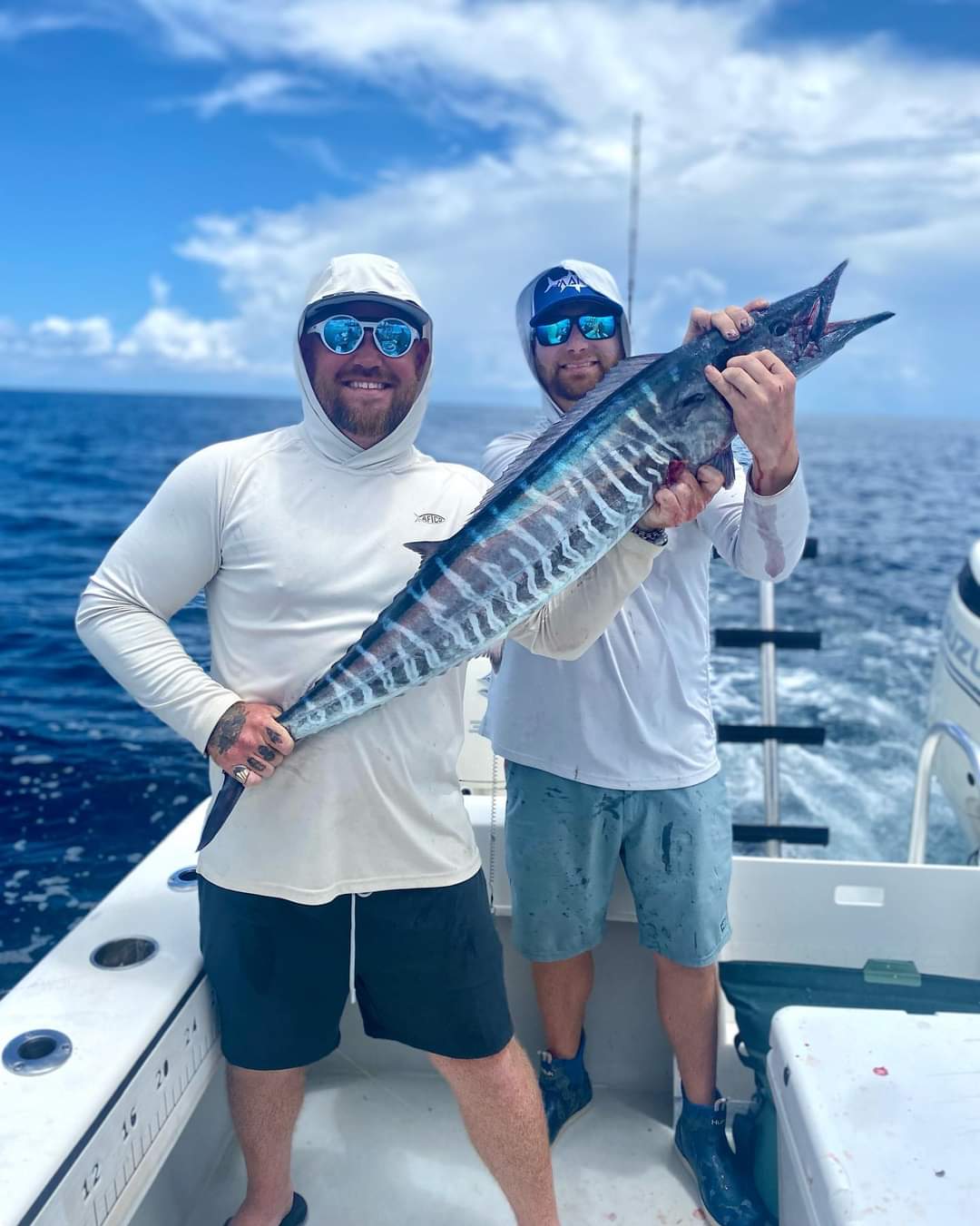
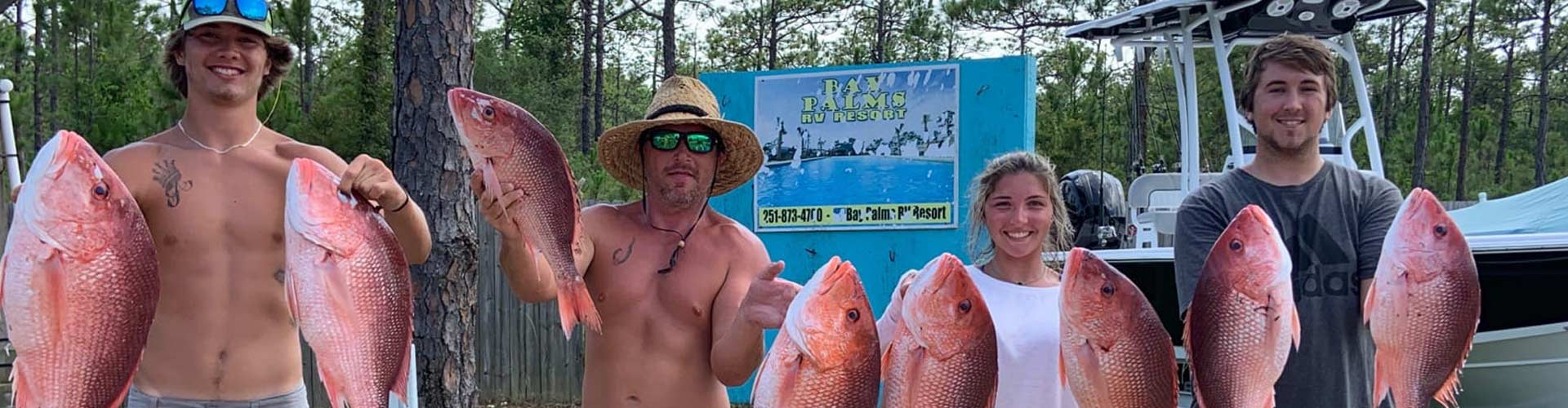
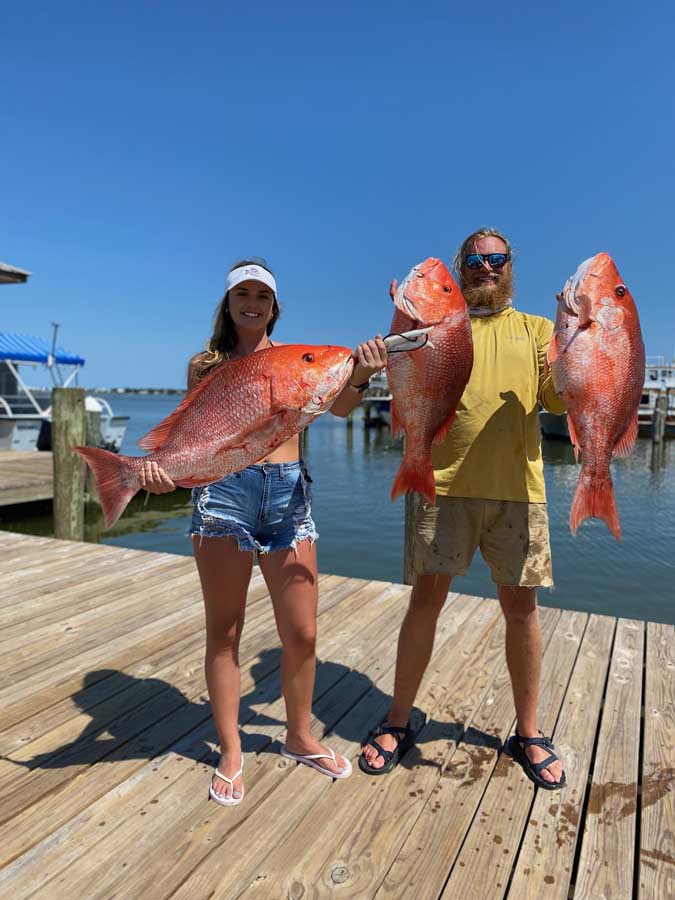
When the Gulf heats up, the big players arrive. Tarpon roll through the passes, king mackerel patrol the beachfront, and cobia cruise the shallows looking for rays. Offshore, red snapper season opens and the reefs light up. Summer is when Dauphin Island earns its reputation as a serious fishing destination.
Inshore fishing doesn't slow down either. Trout and redfish stay active if you hit them early or late when the sun isn't overhead. Piers and jetties produce sheepshead, pompano, and Spanish mackerel. Sharks move into the surf zone at night. The variety alone keeps you guessing what's going to hit next.
- Tarpon migrate through passes and near-shore waters
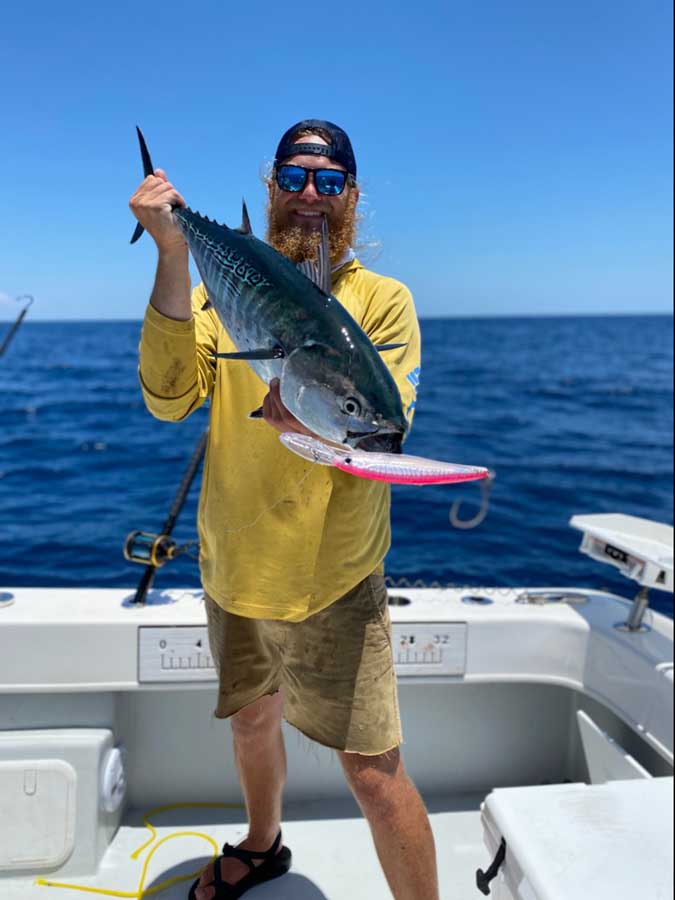
- King and Spanish mackerel run strong along the beaches
- Cobia follow stingrays in shallow flats and channels
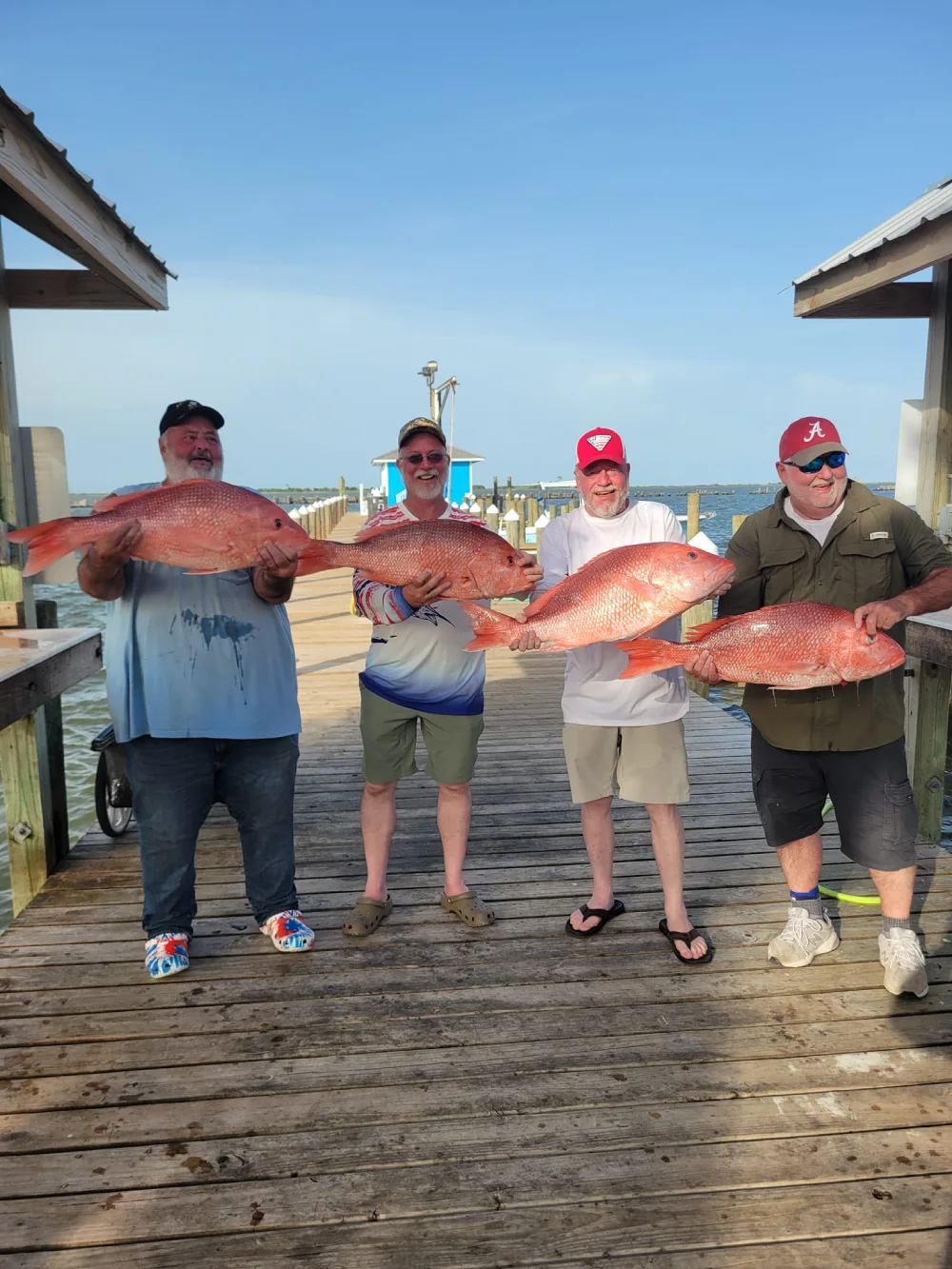
- Red snapper stack up on offshore reefs and artificial structure
- Long daylight hours give you more time to fish multiple spots
Fall Fishing Turns Aggressive
Cooler air triggers a feeding frenzy. Fish sense the change and start loading up before winter sets in. Speckled trout hit hard in the mornings, redfish school up in big numbers, and flounder make their run toward deeper water. Fall is when you can load the boat if you know where to look.
The transition also means less boat traffic and more predictable weather. You're not fighting afternoon thunderstorms or brutal heat. Wade fishing becomes prime again, especially on the backside of the island where grass flats hold fish all day. Offshore, mackerel are still around, and the cooler Gulf makes for smoother runs to the reefs.
- Speckled trout feed heavily in preparation for winter
- Redfish form large schools in bays and along beaches
- Flounder migrate toward passes and deeper channels to spawn
- King and Spanish mackerel remain active through early fall
- Comfortable temperatures make all-day trips more enjoyable
Winter Means Fewer Crowds, Steady Action
The water cools, most tourists leave, and Dauphin Island goes quiet. But the fish don't disappear—they just move. Redfish hold tight to structure like docks, bridge pilings, and jetty rocks. Sheepshead stack up around anything with barnacles. Speckled trout drop into deeper holes but still bite when conditions are right.
Winter fishing isn't about variety—it's about consistency. You won't catch ten species in a day, but you can fill a cooler with quality fish if you target the right spots. The lack of boat pressure means fish are less spooked, and clear water makes sight fishing possible on warmer afternoons. If you dress for the weather, winter can be one of the most productive times to fish the island.
- Redfish concentrate around docks, bridges, and jetties
- Sheepshead feed actively on barnacles and structure
- Speckled trout hold in deeper channels and holes
- Clear water and reduced boat traffic improve fishing conditions
- Milder days provide excellent opportunities for targeting quality fish
Geography and Ecosystem Drive the Calendar
Dauphin Island works because of where it sits. Freshwater dumps nutrients into the bay, and the Gulf provides access to deeper water and migratory routes. That mix creates a food chain that supports everything from baitfish to bull reds. The island's structure—marshes, beaches, passes, reefs—gives fish options, and that keeps them here year-round.
Tides, temperature swings, and bait movements shape what you'll catch and when. But the foundation is always the same: productive water that holds fish in every season. Whether you're casting topwater plugs in spring or bouncing shrimp off jetty rocks in winter, Dauphin Island fishing trips deliver if you understand what's happening below the surface and adjust your approach accordingly. Exploring fishing trips throughout the year reveals why this location remains a top choice for anglers. If you're planning your next adventure, consider booking fishing charters to experience the best seasonal action the island has to offer. For additional insights into the area's appeal, check out resources on things to do in Dauphin Island.
Ready to Fish the Island?
Every season brings its own excitement to Dauphin Island, and there’s always something biting if you know where to look. Let’s make your next trip one to remember—reach out to the team that knows these waters inside and out. Call us at 662-571-5785 or contact us to start planning your fishing adventure today.
‹ Back
Recent Posts
-
Should You Book a Half-Day or Full-Day Fishing Charter in Biloxi?
September 11, 2026
-
How Far Offshore Do Fishing Charters from Gulfport Go?
August 28, 2026
-
Can You Catch Different Fish Every Season Around Biloxi?
August 14, 2026
-
-