
By using our website, you agree to the use of cookies as described in our Cookie Policy
Offshore Fishing Near Dauphin Island for Anglers Looking to Land Bigger Fish
Dauphin Island sits at the edge of some of the richest fishing waters in the Gulf. Head out past the inshore reefs, and you're looking at real opportunity—the kind where you're fighting fish that matter, not just catching what shows up. The structures are everywhere. Natural ledges, artificial reefs, oil rigs scattered across the horizon. And if you know where to push offshore, the pelagic action heats up fast.
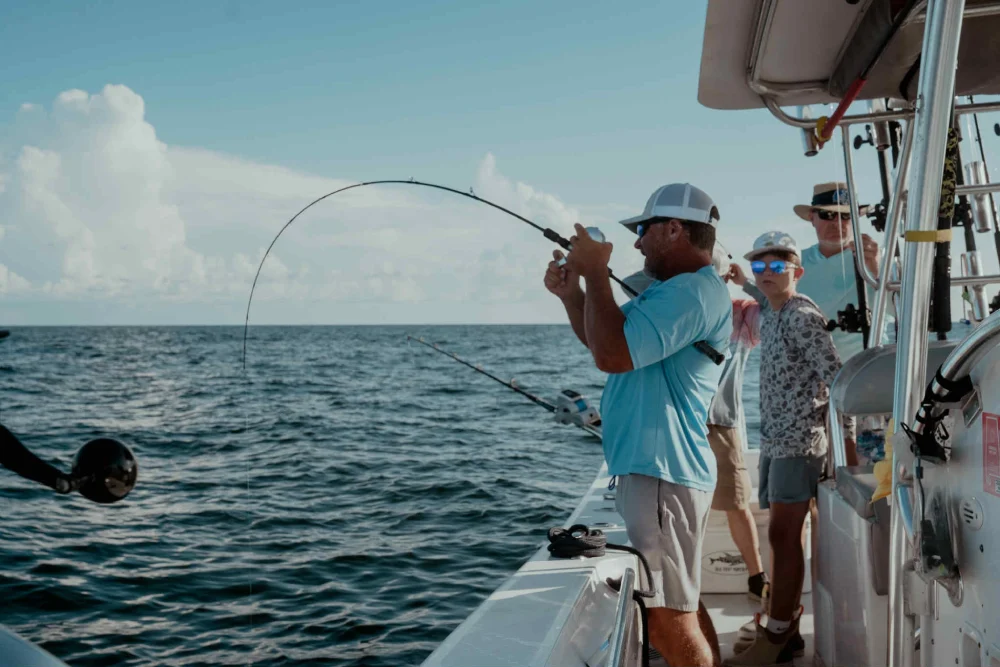
Most anglers think nearshore is enough. It's not. The bigger catches are miles out, holding in currents, cruising along thermoclines, and stacking up around structure that requires fuel and nerve to reach. If you're serious about landing something with weight, you need to be thinking in fathoms, not feet. And you need to know what you're targeting before you idle away from the dock.
What Makes These Waters Worth the Run
The Gulf off Dauphin Island isn't just deep—it's productive. Warm water pushes baitfish up from the south, predators follow, and the whole food chain stacks near structure. Artificial reefs placed by state programs give you known GPS marks. Natural bottom gives you variables. And the oil platforms? Those are magnets for everything from amberjack to tuna.
You're also close enough to make multiple spots in a single trip. Run twenty miles and you're over prime snapper ground. Push out to the hundred-fathom curve and you're into blue water where wahoo and mahi show up. The flexibility matters when conditions shift or the bite slows down.
Species That Actually Test Your Drag
Forget the small stuff. Out here, you're targeting fish that require serious tackle and even more serious patience. These aren't bay fish—they fight hard, dive deep, and make you earn every inch of line.
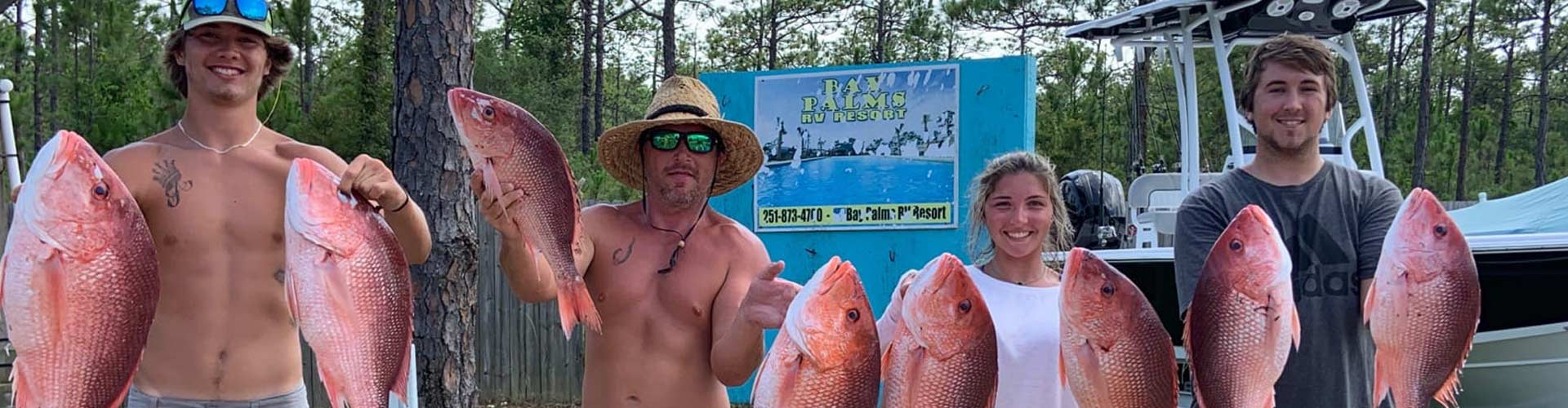
- Red Snapper: Strong, stubborn, and highly regulated. When the season opens, everyone heads to the reefs. Expect a fight from the moment they feel the hook.
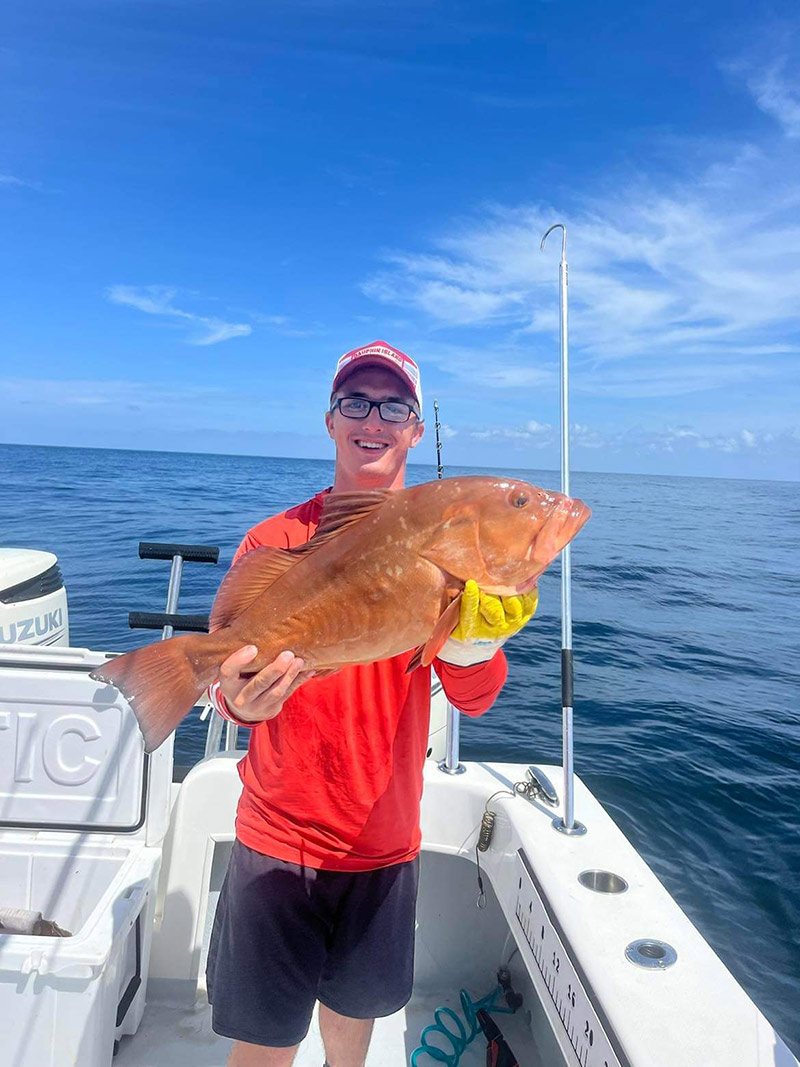
- Grouper: Gag, scamp, and red grouper all patrol the deeper structure. Once hooked, they dive for cover and don't let up.
- Amberjack: These bruisers circle wrecks and rigs. They pull hard from the start and don't quit until they're in the cooler.
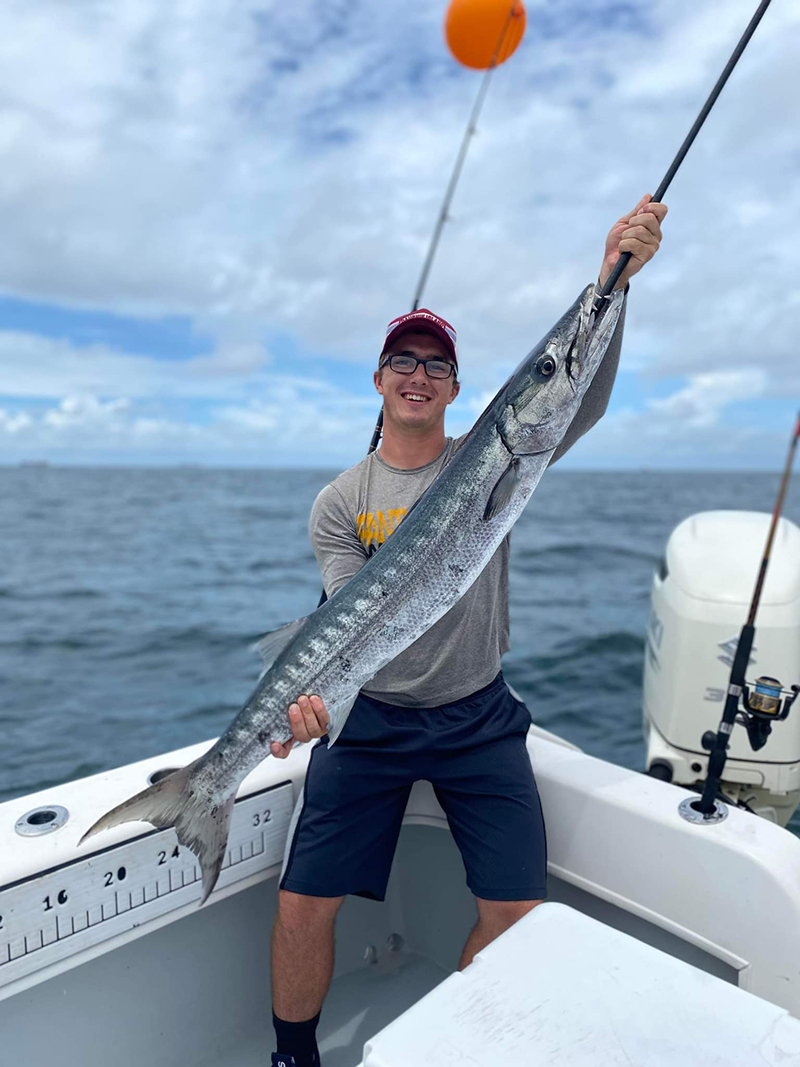
- King Mackerel: Speed demons that hit trolled baits with aggression. They're built for long runs and acrobatic jumps.
- Mahi-Mahi: Found near floating debris or weed lines. Fast, colorful, and always good for multiple hookups if you find a school.
- Yellowfin Tuna: The crown jewel of Gulf fishing. Found around rigs and deep-water humps, they require heavy gear and perfect timing.
Timing Your Trip Around the Calendar
Red snapper season drives the summer rush. When federal or state waters open, the reefs light up with boats. But that's not the only window. Spring and fall bring king mackerel migrations, and the water temperature swings make for aggressive feeding.
Late spring through early fall is when the blue water heats up. That's when tuna, wahoo, and mahi start showing in numbers. If you're chasing pelagics, plan around warmer months and watch for current breaks. Winter slows things down but doesn't shut them off—grouper and amberjack still bite, and the crowds thin out.
Gear and Methods That Actually Produce
Bottom fishing works for reef species. Drop a chicken rig loaded with cigar minnows or squid, and you'll get bites from snapper, grouper, and triggerfish. Use heavy leaders and don't give fish time to reach structure—once they do, you've lost.
Trolling is the move for pelagics. Rig skirted lures, feathers, or live bait on planers and cover water until you find the zone. When kings or mahi show up, the spread will go off. For tuna, chunking around rigs or slow-trolling live baits near floating debris is the standard. Bring the heavy tackle—these fish don't quit.
Why Charters Save You Time and Mistakes
Local captains know the marks. They've logged thousands of hours on these waters and can read conditions faster than any app. If you're new to offshore fishing trips or just want to skip the trial-and-error phase, a charter puts you on fish without the guesswork.
Most operators run full-day trips with all gear, bait, and licenses covered. They'll clean your catch and give you pointers along the way. Some offer offshore extended trips for serious anglers looking to maximize bottom time. Either way, you're not burning fuel aimlessly or wondering if you're over the right structure.
Rules You Can't Ignore
Alabama's fishing regulations are strict, and ignorance doesn't hold up as a defense. Red snapper seasons change every year based on federal and state quotas. Size and bag limits shift by species. Check the Alabama Marine Resources Division site before you launch, and double-check if you're fishing federal waters versus state.
- Red snapper require specific minimum sizes and daily bag limits
- Grouper regulations vary by species and depth zone
- Amberjack have fork length requirements and seasonal closures
- Reef fish permits are mandatory for certain species in federal waters
- Reporting requirements exist for some catches, especially during limited seasons
What to Pack Beyond the Obvious
Sunscreen isn't optional. Neither is water. Offshore trips stretch longer than you think, and dehydration sneaks up fast when you're focused on fishing. Polarized glasses help you spot surface action and reduce eye strain.
Bring motion sickness meds even if you think you're fine—offshore swells are different than bay chop. Pack extra layers because mornings start cool and afternoons can roast you. And if you're keeping fish, bring a good cooler with plenty of ice. Nothing worse than losing quality meat because you didn't plan for the haul.
Why Offshore Beats Everything Else
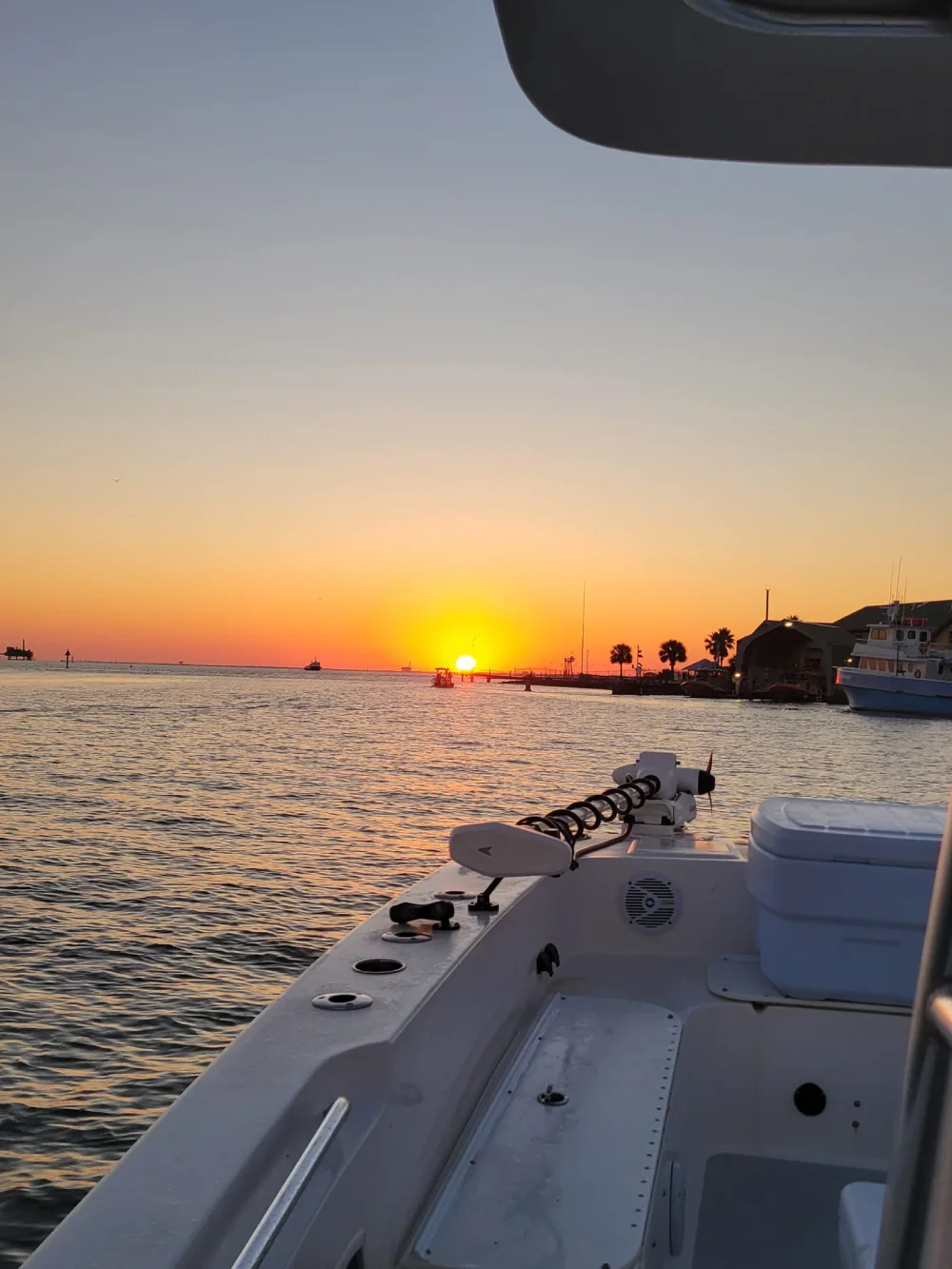
Inshore fishing trips have their place. Nearshore reefs offer decent action. But offshore is where the real fishing happens. The fish are bigger, the fights are longer, and the scenery—oil rigs lit up at dawn, dolphins racing the bow, water so blue it looks fake—makes every mile worth it. You're not just fishing. You're earning it.
Dauphin Island fishing trips give you access without the long haul other Gulf ports require. You're clearing the pass and heading to structure faster than most boats out of Florida or Louisiana. That extra time on the water translates to more drops, more trolling passes, and more chances at something worth bragging about. Stop thinking small. Go offshore and find out what actually pulls drag.
Ready to Chase Bigger Fish?
We know the thrill of offshore fishing near Dauphin Island and the satisfaction that comes with landing something truly memorable. If you're ready to make the most of your next trip and want a crew that knows these waters inside and out, let's get you set up for success. Call us at 662-571-5785 or contact us today to start planning your adventure offshore.
‹ Back
Recent Posts
-
Can Beginners Enjoy a Fishing Charter in Gulfport?
September 25, 2026
-
Should You Book a Half-Day or Full-Day Fishing Charter in Biloxi?
September 11, 2026
-
How Far Offshore Do Fishing Charters from Gulfport Go?
August 28, 2026
-
Can You Catch Different Fish Every Season Around Biloxi?
August 14, 2026
-