

By using our website, you agree to the use of cookies as described in our Cookie Policy
Top Fish to Catch in the Waters Around Dauphin Island
Dauphin Island sits where the Gulf meets the bay, and that collision creates something special. The water here doesn't just hold fish — it stacks them. Redfish cruise the flats. Snapper hold tight to offshore structure. Mackerel blitz the surface when conditions align. Most anglers show up thinking they know what to expect. Then the bite changes, the tide shifts, and suddenly they're scrambling.
So here's what matters. If you're serious about fishing these waters, you need to know what swims where — and when. Every species has a window. Every structure holds something different. And every trip should be built around more than just showing up with bait and hope.
Redfish Own the Shallows
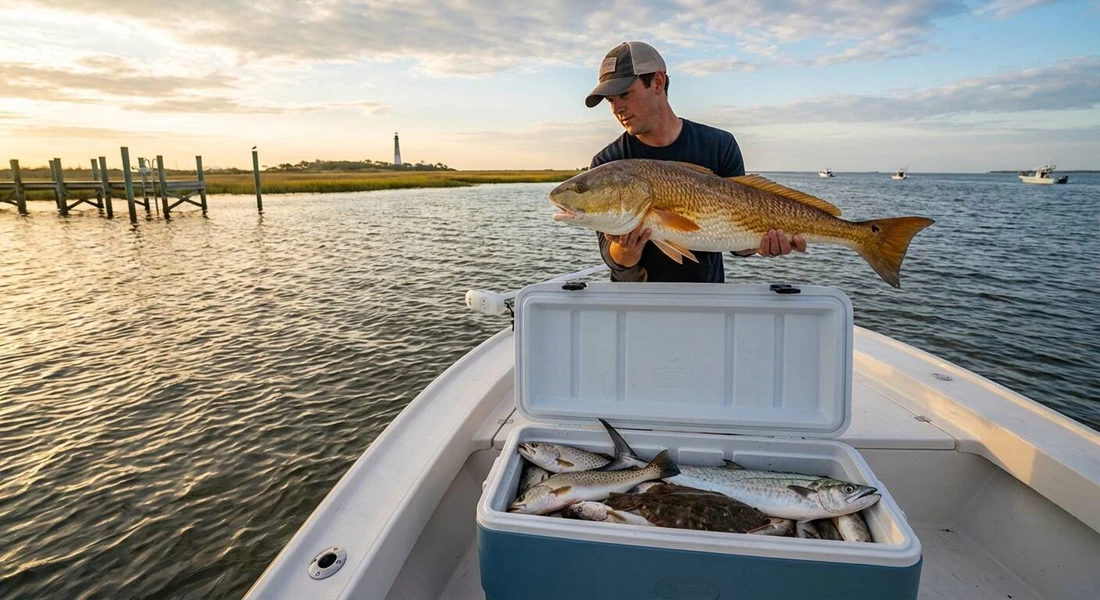
Redfish don't hide. They patrol grass beds, oyster bars, and marsh edges like they own the place — because they do. Fall brings brings the biggest numbers, but don't sleep on spring and summer either. These fish hit hard, fight harder, and don't quit until they're in the net.
Most anglers stick with live shrimp or cut mullet, and that works. But soft plastics and gold spoons pull strikes too, especially when you're covering water fast. Redfish aren't picky — they're opportunistic. That's why they're one of the most reliable targets around the island.
- Target shallow flats during high tide
- Work oyster bars on the falling water
- Use scent on artificials when the bite slows
- Watch for tailing fish in skinny water
- Keep your drag loose — they'll rip line on the first run
Speckled Trout Show Up When It Counts
Trout move with the seasons, and if you time it right, you'll find them stacked. Spring and fall are prime, especially early morning or late evening when the water cools. They hold in grass, around drop-offs, and near current breaks where bait gets funneled.
Live shrimp under a popping cork is the go-to setup, but topwater plugs at dawn can produce explosive strikes. Soft plastics work year-round if you match the hatch and keep your retrieve steady. Trout aren't forgiving — miss the window, and they vanish.
- Fish the first two hours after sunrise
- Target grass edges near deeper water
- Use lighter tackle for better feel
- Switch to slower retrieves in colder months
- Keep a few different colors rigged and ready
Flounder Lie in Wait
Flounder don't chase. They ambush. These flatfish bury themselves in sand or mud and wait for something to drift close enough to strike. Fall migration brings the best action, but they're catchable year-round if you know where to look.
Bouncing a jig or live minnow along the bottom is the standard approach. Slow it down. Let it sit. Flounder won't chase a fast-moving bait, so patience wins. Passes, channels, and sandy pockets near structure are your best bets.
- Drag your bait slowly across the bottom
- Focus on transition zones between sand and grass
- Use a bucktail jig tipped with bait
- Watch for subtle taps — flounder don't slam
- Give them a second before setting the hook
Sheepshead Test Your Patience
Sheepshead have teeth like a human and a bite so light you'll swear you're snagged on structure. They hang around pilings, jetties, and barnacle-covered rocks, feeding on crustaceans with surgical precision. Late winter through early spring is peak season.
Small hooks and fiddler crabs are the standard setup. You'll feel taps, nibbles, and phantom bites before you finally hook one. But when you do, they fight with surprising power for their size. Their meat is firm, sweet, and worth every missed hookset.
- Use the smallest hook that fits your bait
- Fish tight to structure — inches matter
- Set the hook at the slightest pressure
- Keep your line tight on the way up
- Expect to lose a few to pilings and rocks
King Mackerel Bring the Speed
Kings are offshore predators built for speed. They hit trolled baits at full throttle and peel drag like it's nothing. Summer months bring them close to Dauphin Island's deeper waters, and when they're around, the action is nonstop.
Live bait like menhaden or cigar minnows work best, but flashy spoons and diving plugs pull strikes too. Wire leaders are mandatory — their teeth will slice through mono in seconds. Kings don't play games. They either rip the rod out of your hands or cut you off.
- Troll at varying speeds to find the bite
- Use stinger hooks on live bait
- Watch for birds diving on baitfish
- Keep your drag set firm but not locked
- Bleed and ice them immediately for best quality
Spanish Mackerel Swarm the Surface
Spanish mackerel are smaller, faster, and just as aggressive as their king cousins. They school up in nearshore waters during spring and summer, slashing through baitfish with reckless abandon. When you find them, you'll know — the water explodes.
Small spoons, jigs, and live bait all work. Cast into the frenzy and hold on. Wire leaders are still smart here — those teeth don't discriminate. Spanish mackerel are oily and flavorful, perfect for the grill or smoker.
- Look for surface activity and diving birds
- Cast ahead of the school, not into it
- Retrieve fast — they like speed
- Use light wire to avoid spooking them
- Keep a few rods rigged for quick follow-up casts
Tripletail Float Like Debris
Tripletail are weird. They float on their sides near buoys, crab traps, and floating debris, looking like driftwood until they strike. Late spring through early fall is prime time, and sight-fishing for them is half the fun.
Live shrimp or small baitfish work best. Approach quietly, cast past them, and let the bait drift into their zone. Tripletail are curious but cautious. Get it right, and you'll hook one of the best-eating fish in the Gulf.
- Scan for floating objects and approach slowly
- Use polarized sunglasses to spot them
- Cast beyond the fish and drift the bait in
- Set the hook hard — their mouths are tough
- Handle them carefully — they're delicate out of water
Red Snapper Hold the Bottom
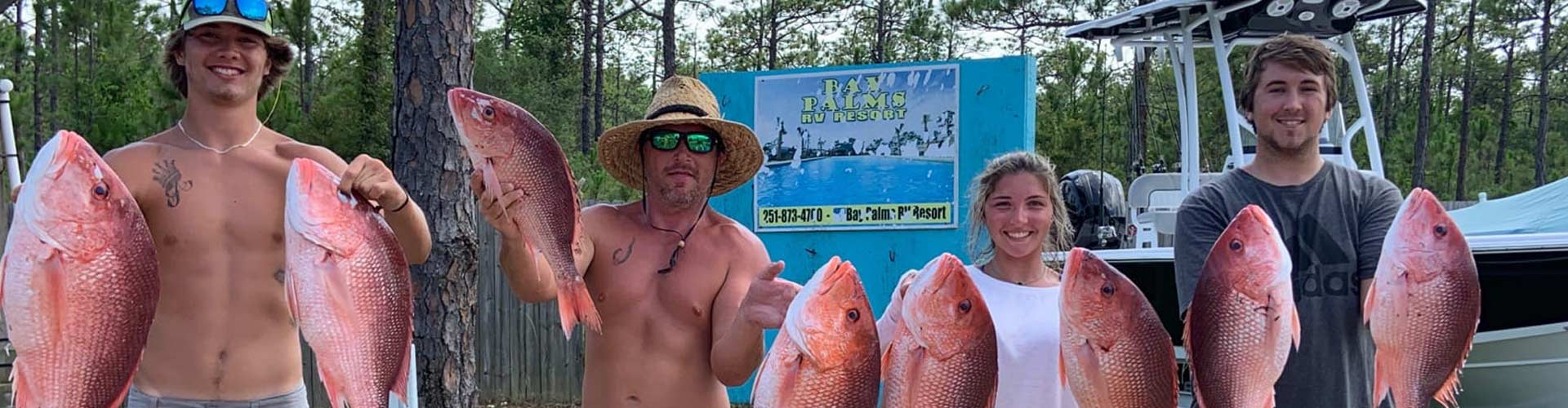
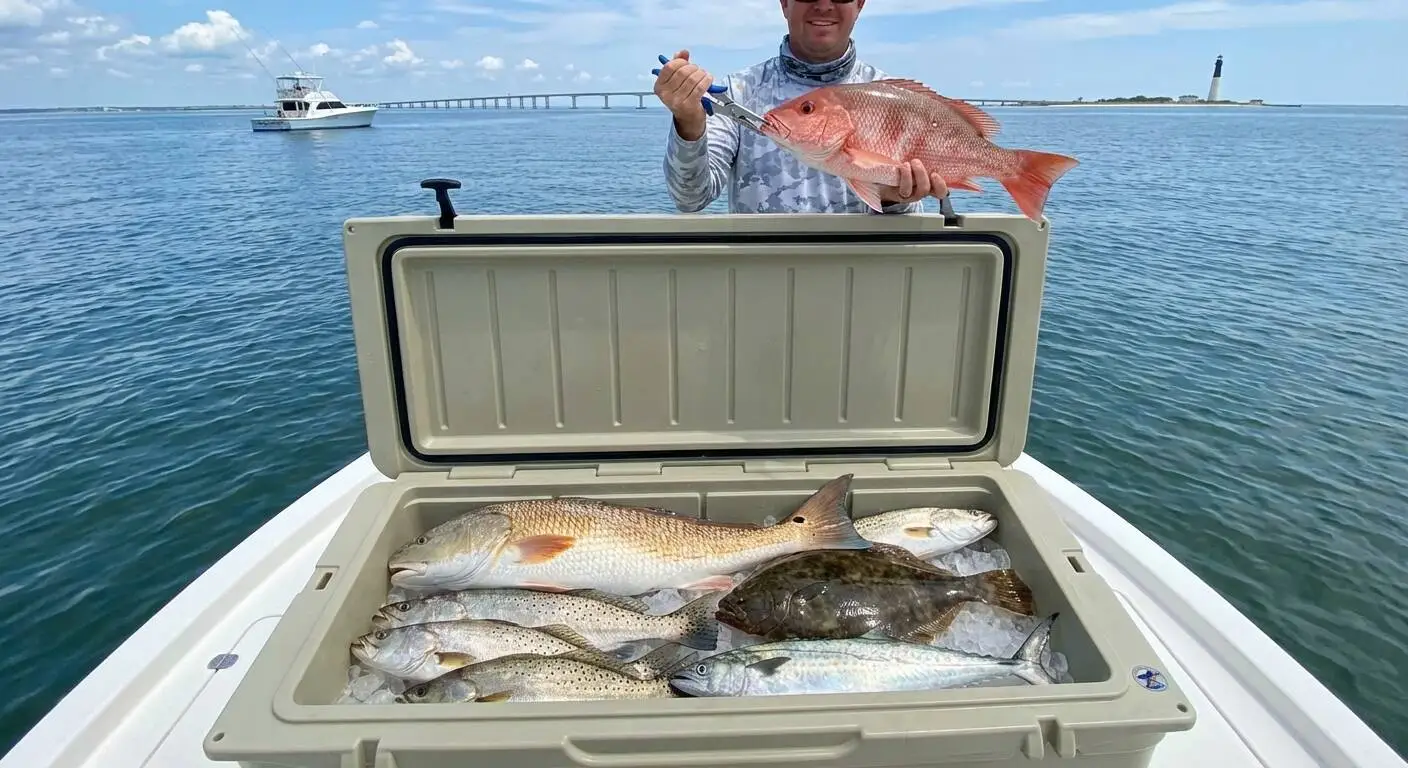
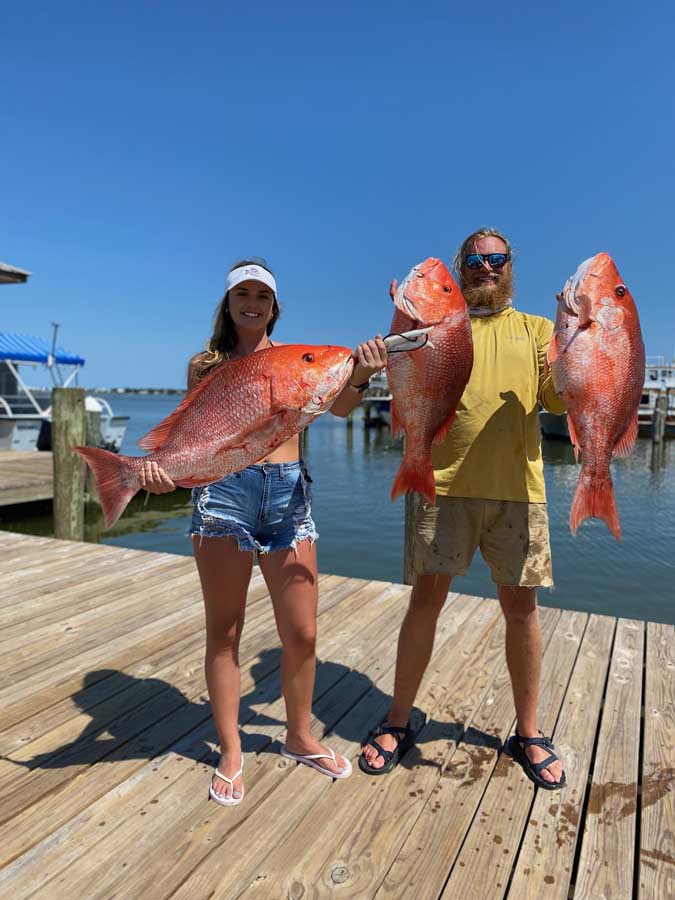
Red snapper are the prize of offshore fishing around Dauphin Island. They stack up on reefs, wrecks, and hard bottom, and when the season opens, boats swarm. These fish fight hard, taste incredible, and require precision to target.
Cut bait, squid, or live bait dropped to the bottom is the standard approach. Use enough weight to stay vertical, and be ready for aggressive strikes. Snapper don't hesitate — they hit and head straight for structure.
- Drop your bait straight down to avoid tangles
- Use circle hooks for better hooksets
- Keep steady pressure to pull them off structure
- Watch your depth finder for fish marks
- Know the season dates and limits before you go
Timing and Tactics Win the Day
Dauphin Island's waters don't hand out fish for free. You've got to match the season, read the conditions, and adjust your approach when the bite changes. The species are there — redfish, trout, flounder, mackerel, snapper, and more. But showing up without a plan is just hoping for luck.
We've seen anglers crush it by staying flexible and paying attention. The fish move. The tides shift. The bait changes. If you're locked into one method or one spot, you'll miss opportunities. But if you're willing to adapt, Dauphin Island fishing trips will reward you with some of the best fishing the Gulf has to offer. Whether you're targeting redfish on inshore fishing trips, chasing kings on nearshore runs, or dropping lines on offshore extended adventures, understanding these species and their patterns makes all the difference. Ready to experience it yourself? Reserve your date and get on the water with a crew that knows these fish inside and out.
Let’s Get You on the Fish
We know the waters around Dauphin Island like the backs of our hands, and we’re ready to help you make the most of your next fishing trip. Whether you’re after redfish, snapper, or anything in between, let’s plan a day you’ll remember. Give us a call at 662-571-5785 or contact us to get started and we’ll handle the rest.
‹ Back
Recent Posts
-
Can Beginners Enjoy a Fishing Charter in Gulfport?
September 25, 2026
-
Should You Book a Half-Day or Full-Day Fishing Charter in Biloxi?
September 11, 2026
-
How Far Offshore Do Fishing Charters from Gulfport Go?
August 28, 2026
-
Can You Catch Different Fish Every Season Around Biloxi?
August 14, 2026
-