


By using our website, you agree to the use of cookies as described in our Cookie Policy
How to Choose Between Nearshore & Offshore Fishing Charters
Most anglers think picking a charter is just about showing up and casting a line. But the difference between nearshore and offshore isn't just distance—it's everything. The fish you're after, the time you'll spend, the conditions you'll face, and whether you'll come back with a story or just a sunburn. If you don't know what you're signing up for, you're gambling with your day on the water.
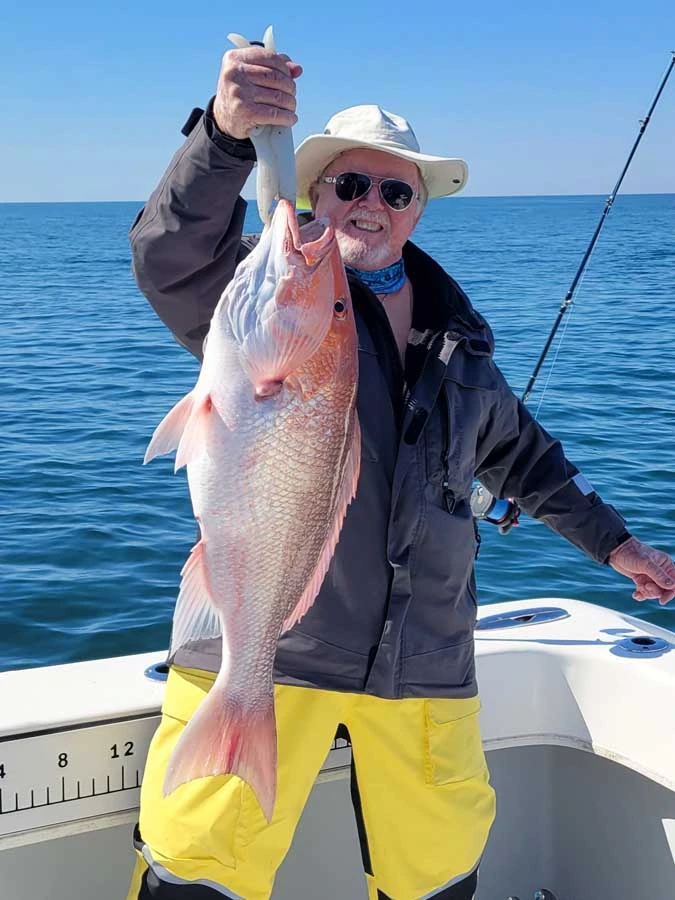
So here's what matters. Nearshore keeps you close, offshore pushes you out. One's a half-day commitment, the other's an all-in adventure. And the species you're chasing? That alone should tell you which direction to point the bow. Every choice has trade-offs, and every trip should match what you actually want—not just what sounds cool in theory.
Distance Changes Everything
Nearshore fishing runs within a few miles of the coast. You're working reefs, wrecks, and structure where fish stack up without needing to burn fuel for hours. The ride's shorter, the water's calmer, and you're never too far from land if conditions shift. It's accessible, efficient, and still delivers solid action.
Offshore means heading out—way out. Twenty miles or more, sometimes beyond sight of shore. You're chasing pelagics in open water, and that means longer runs, bigger swells, and a full day committed to the hunt. It's not a casual outing. It's a calculated push into deeper territory where the fish are bigger and the stakes are higher.
What You're Actually Targeting
Nearshore charters go after reef dwellers and mid-range predators. We're talking snapper, grouper, kingfish, cobia, and Spanish mackerel. These species hold tight to structure and bite consistently when conditions line up. You'll catch numbers, and you'll catch dinner.
Offshore charters chase the heavyweights. Tuna, marlin, mahi, sailfish, wahoo—fish that run fast, fight hard, and require serious gear to land. If you want a trophy or a battle that tests your endurance, offshore is where it happens. But you're also betting on fewer bites and longer waits between hookups.
Time and Money Both Add Up
Nearshore trips clock in around four to six hours. You're out, you're fishing, you're back before lunch or dinner. The cost reflects that efficiency—less fuel, less time, lower price. It's a smart play if you've got a tight schedule or you're testing the waters before committing to something bigger.
Offshore trips eat up eight hours minimum, often more. The run alone can take an hour each way, and once you're out there, you're staying until the bite dies or the clock runs out. Fuel costs stack up fast, and so does the charter rate. You're paying for access to fish that don't live close to shore—and for the captain's knowledge of where to find them.
Who's Coming and What They Can Handle
Nearshore works for mixed groups. Kids, first-timers, anyone prone to seasickness—they'll all fare better closer to shore where the ride's smoother and the trip's shorter. You're not asking anyone to tough out rough seas or sit through a long haul with nothing to do.
Offshore demands more. The ride can get choppy. The wait between bites can stretch. And if someone's not comfortable on a boat for hours at a time, they're going to have a rough go. Make sure your crew's ready for what offshore actually involves before you book it.
Conditions You'll Face Out There
Nearshore keeps you in sight of land, which matters more than most people think. The water's calmer, the weather's easier to read, and if something goes sideways, you're not far from help. It's a controlled environment where you can still catch fish without rolling the dice on conditions.
Offshore puts you in open water where swells build and weather shifts fast. You're farther from shore, farther from backup, and more exposed to whatever the ocean throws at you. Safety gear and a solid captain aren't optional—they're the baseline. If you're not comfortable with that level of exposure, stay nearshore.
What the Charter Includes
Most charters cover the basics—rods, reels, tackle, bait, and a licensed captain who knows the water. But the details vary, and you need to ask upfront what's included and what's not.
Here's what to confirm before you book:
- Fishing licenses for all anglers
- Ice and fish cleaning services
- Food and drinks, or if you need to bring your own
- Fuel surcharges or additional fees
- Cancellation policies and weather guarantees
Experience Level Matters More Than You Think
Nearshore fishing doesn't require much. You can learn as you go, and the captain will walk you through it. The fish aren't as finicky, the gear's easier to manage, and you'll get plenty of chances to practice. It's a low-pressure way to build confidence on the water.
Offshore fishing assumes you can handle yourself. The gear's heavier, the fish fight harder, and the techniques are more advanced. If you've never fought a fish that can strip line for minutes straight, offshore will test you. That's part of the appeal—but it's also why beginners often start nearshore and work their way out.
Seasonal Patterns Shift the Game
Fish move with the seasons, and so should your charter choice. Nearshore species like kingfish and cobia show up in spring and fall, while grouper and snapper bite year-round depending on regulations. Offshore species like mahi and tuna follow warmer water, so summer and early fall are prime time.
Talk to your captain about what's biting when you're booking. A good operator will tell you straight if the fish you're after aren't around yet—or if another species is lighting up the bite. Timing your trip right makes all the difference.
What to Ask Before You Book
Don't just pick a charter based on price or photos. Dig into the details and make sure you're getting what you expect.
Questions worth asking:
- What species are we targeting, and what's biting right now?
- How long is the actual fishing time versus travel time?
- What's your cancellation policy if weather turns?
- Do you provide all gear, or should we bring our own?
- How many people will be on the boat, and is it a private or shared charter?
The Real Difference Is What You're After
Nearshore delivers consistency. You'll catch fish, you'll stay comfortable, and you'll be back in time to do something else with your day. It's the smart move if you want action without the gamble.
Offshore delivers intensity. You're chasing bigger fish, covering more water, and committing to a full day of effort. The payoff can be massive—but so can the wait. If you're after a trophy or a story that lasts, offshore is where it happens.
Pick the Trip That Matches Your Goal
Choosing between nearshore and offshore isn't about which one's better. It's about which one fits what you're actually trying to do. If you want a relaxed day with steady bites, nearshore wins. If you want to test yourself against something that fights back hard, offshore is the call.
Talk to the captain. Ask what's realistic for your group, your timeline, and your experience level. A good operator will steer you toward the trip that makes sense—not just the one that costs more. And once you're out there, the water will do the rest.
Let’s Plan Your Next Fishing Adventure
We know every angler wants a trip that matches their style, skill, and sense of adventure. Whether you’re leaning nearshore for steady action or ready to chase giants offshore, we’re here to help you make the right call. Let’s talk about your goals and get you set up for a day you’ll remember. Call us at 662-571-5785 or contact us to start planning your perfect fishing charter.
‹ Back
Recent Posts
-
-
Can Beginners Enjoy a Fishing Charter in Gulfport?
September 25, 2026
-
Should You Book a Half-Day or Full-Day Fishing Charter in Biloxi?
September 11, 2026
-
How Far Offshore Do Fishing Charters from Gulfport Go?
August 28, 2026
-
Can You Catch Different Fish Every Season Around Biloxi?
August 14, 2026