


By using our website, you agree to the use of cookies as described in our Cookie Policy
What Makes an Inshore Fishing Charter in Biloxi Different from a Bay Trip?
Most anglers think fishing is just fishing. Cast a line, wait for a bite. But the water you're in changes everything — and if you don't know the difference, you're probably choosing the wrong trip. Inshore charters and bay trips both get you on the water, but they're not the same experience. Not even close. One's built for tight spaces and shallow runs. The other spreads out into open water where the game changes fast.
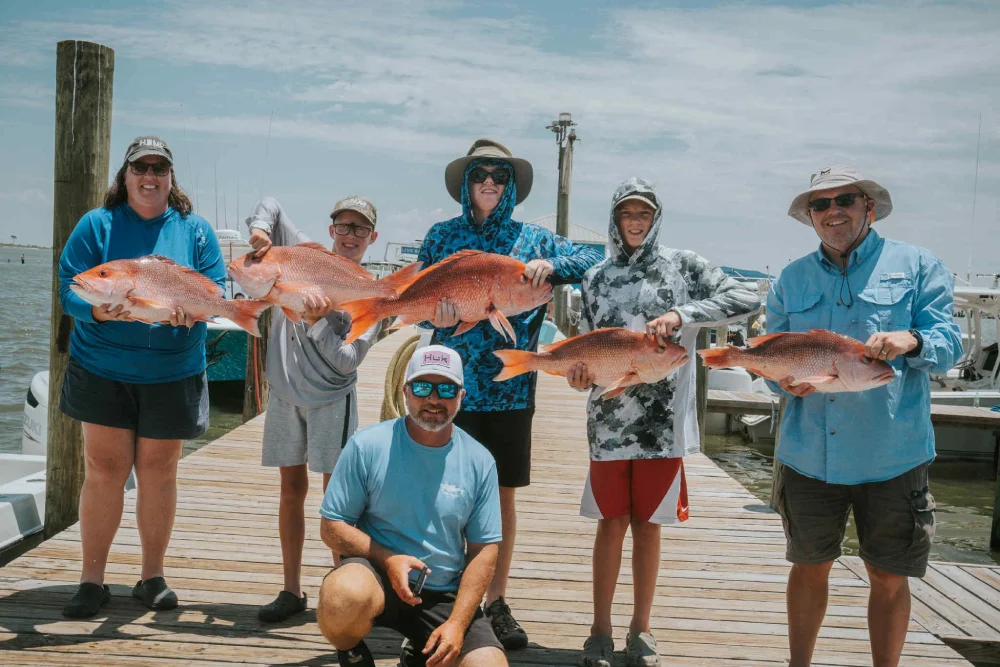
So here's what matters. If you're heading out to chase fish in Biloxi, you need to know what kind of water you're fishing and what you're actually after. The boat, the depth, the species, the technique — it all shifts depending on whether you're hugging the coast or pushing into the bay. And once you understand that, picking the right charter stops feeling like guesswork.
Shallow Water Is a Different World
Inshore fishing keeps you close. We're talking marshes, grass flats, tidal creeks — places where the water barely reaches your knees in some spots. This is where redfish, speckled trout, and flounder hang out. The environment is intimate. You're not covering miles of open sea. You're working structure, reading the tide, and slipping into pockets where fish gather.
The boats reflect that too. Smaller hulls, shallower drafts, built to maneuver through tight channels without scraping bottom. You're not out there for speed or distance. You're there for precision. And when the water's this calm, even first-timers can keep their balance and focus on the line instead of the waves.
Bay Trips Push Deeper
Bay fishing opens things up. You're still close to shore, but the water's deeper and the horizon stretches wider. Biloxi Bay and the surrounding zones give you room to roam — and the fish respond to that. You might still hook redfish or trout, but you're also looking at sheepshead, tripletail, maybe a shark if the conditions line up.
The boats here are larger. More stable. Built to handle chop and carry more anglers without feeling cramped. You'll fish around bridges, pilings, deeper channels — places where the current moves faster and the structure sits below the surface instead of right in front of you. It's a different rhythm. Less intimate, more exploratory.
Target Species Shift With the Depth
Inshore trips are laser-focused. You're chasing species that thrive in shallow, protected water. That means redfish cruising the flats, trout ambushing bait near grass beds, flounder buried in sandy bottoms. The fish are there because the habitat suits them. Shallow, warm, rich with cover.
Bay trips give you more variety. You'll still see some of those same names on the list, but the deeper water brings in others. Species that prefer structure in open zones or that follow bait schools through channels. The menu expands because the environment does.
Techniques Split Along the Same Line
Fishing inshore means working light tackle in tight spots. You're casting toward oyster beds, sight-fishing in clear shallows, or dropping live bait near submerged grass. It's visual. Tactical. You see the water change color and you know something's there.
Bay fishing asks for different tools. Heavier gear, trolling setups, bottom rigs designed for deeper drops. You're not always seeing what you're fishing — you're reading electronics, working channels, or positioning near man-made structure that fish use as highways. It's less about stalking and more about covering water until something commits.
The Gear and Comfort Factor
Inshore boats are built for agility, not luxury. They're nimble, responsive, designed to get you into places bigger boats can't reach. That's the trade-off. You're not lounging on a wide deck — you're moving, adjusting, staying active.
Bay boats offer more space and stability. When the water gets choppy or the group gets bigger, that matters. You've got room to spread out, more seating, better ride quality when conditions change. It's a smoother experience overall, especially if you're bringing kids or first-timers who need a little extra comfort to stay engaged.
Trip Length Tells You What to Expect
Inshore charters tend to be shorter. Half-day trips are common because you don't need to burn time traveling to the fishing grounds. You're already there. That makes them perfect for families, beginners, or anyone who wants action without committing the whole day.
Bay trips stretch longer. You're covering more water, trying more spots, and the timeline reflects that. If you want to experiment with different techniques or chase multiple species in one outing, the extra time pays off. But it also means more planning and a bigger time commitment.
What You Should Be Asking Before You Book
Don't just pick a charter based on price or availability. You need to know what kind of trip you're actually signing up for. Here's what separates a good decision from a random guess:
- What species are we targeting and where do they live right now
- How deep is the water we'll be fishing and what does that mean for technique
- What size boat are we using and how many people will be on board
- How long is the trip and does that match what I'm hoping to accomplish
- What's included in terms of gear, bait, and licenses
Experience Level Changes the Equation
If you're new to saltwater fishing or bringing kids along, inshore charters are the safer bet. Calmer water, simpler setups, more hands-on guidance in a controlled environment. You'll still catch fish, but the learning curve isn't as steep.
Bay trips work better for anglers who've spent time on the water and want to push a little harder. The techniques are more varied, the conditions less predictable, and the payoff can be bigger if you know what you're doing. It's not that beginners can't handle it — it's just that the experience tilts toward those who've already gotten their feet wet.
Scenery and Atmosphere Matter More Than You Think
Inshore fishing puts you in the middle of Biloxi's coastal ecosystem. You're weaving through marshes, watching herons hunt the shallows, feeling the quiet rhythm of tidal creeks. It's intimate. Almost meditative when the fishing slows down.
Bay trips give you wide-open views and a sense of scale. You see the coastline from a distance, watch weather roll in from across the water, and feel the Gulf's influence even when you're still protected. It's a bigger stage. Less about detail, more about the sweep of it all.
Picking the Right Trip Comes Down to Honest Goals
If you want calm water, close-quarters fishing, and a trip that's easy to manage with mixed skill levels, inshore is the move. You'll get action, you'll see the coast up close, and you won't feel like you're out of your depth.
If you're chasing variety, willing to handle a little chop, and interested in exploring deeper zones with more species in play, a bay trip delivers. You'll cover more water, try more techniques, and walk away with a broader sense of what Biloxi's fishery can offer.
Both Options Deliver When Done Right
There's no wrong choice here — just different ones. Inshore charters and bay trips each have their place, and the best anglers know when to pick one over the other. It's not about which is better. It's about which matches what you're after. Shallow or deep. Tight or open. Focused or exploratory. Whether you're interested in fishing trips that stay shallow or prefer guided trips that explore deeper water, understanding your goals helps you make the right call. You can also reserve your date once you know which experience suits you best, and the rest falls into place.
Let’s Plan Your Next Biloxi Fishing Adventure
We know every angler has a different idea of the perfect day on the water, and that’s why we’re here to help you choose the trip that fits your goals. Whether you’re after a laid-back inshore experience or want to explore the bay’s deeper waters, let’s talk about what you want to catch and how you want to fish. Give us a call at 662-571-5785 or book now today so we can get you set up for an unforgettable day on the water.
‹ Back
Recent Posts
-
-
Can Beginners Enjoy a Fishing Charter in Gulfport?
September 25, 2026
-
Should You Book a Half-Day or Full-Day Fishing Charter in Biloxi?
September 11, 2026
-
How Far Offshore Do Fishing Charters from Gulfport Go?
August 28, 2026
-
Can You Catch Different Fish Every Season Around Biloxi?
August 14, 2026